

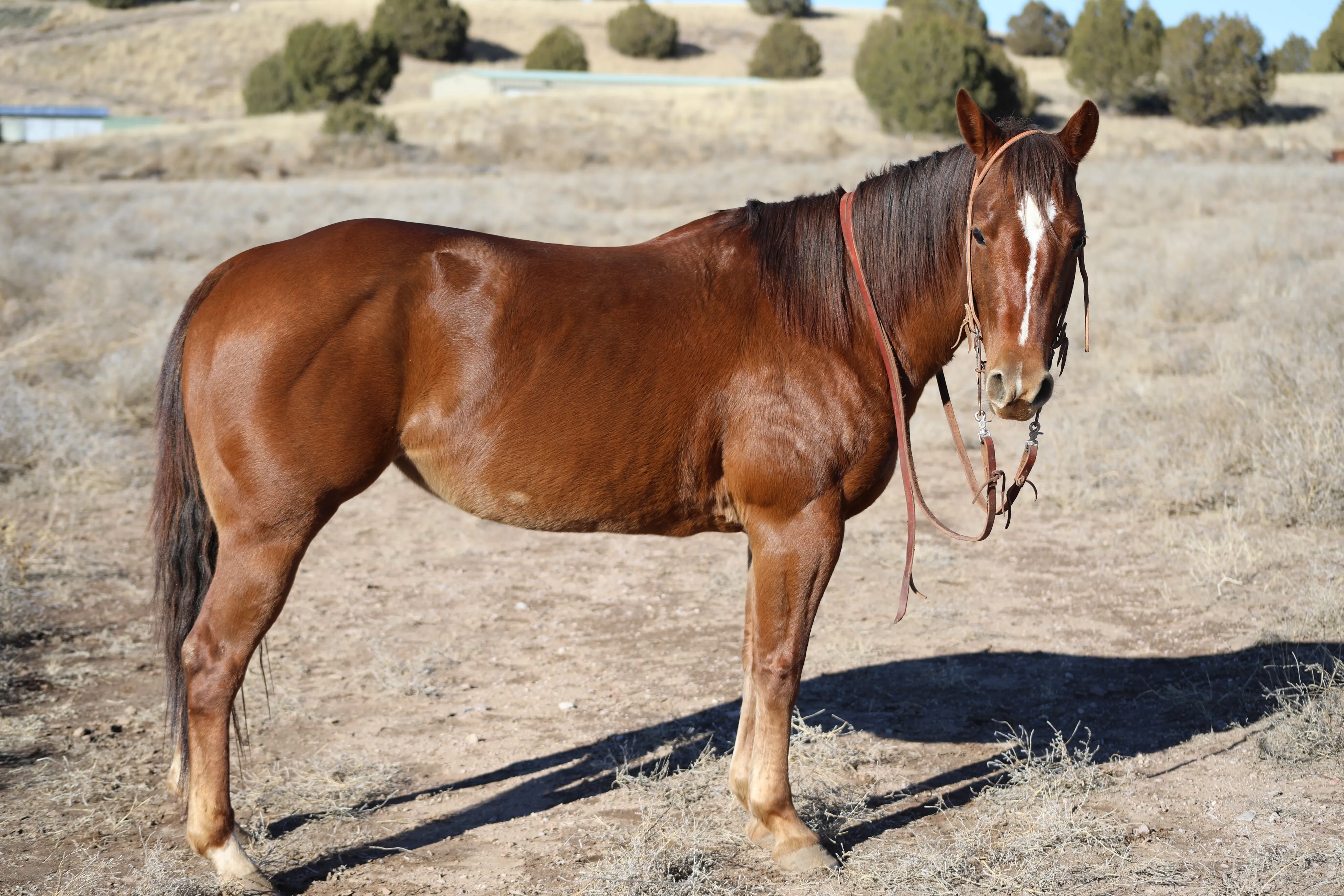
Horse training for beginners starts before the first big goal. A horse that can be caught, led, stopped, and asked to stand quietly gives a new owner more time to think and fewer reasons to rush. Those ordinary answers are not a warm-up to the real work. They are the real work, because they shape what happens at the gate, in the trailer, on a trail, and under saddle.
A first month does not need to prove how much a horse can learn. It should show the horse that your requests are clear and that a calm try brings relief. Keep the setting safe, use equipment the horse already understands, and choose one small answer at a time. If the horse becomes worried or the situation feels unsafe, make the question easier and bring in experienced help instead of trying to push through.
Start with a safe baseline
Before asking a horse to learn, take an honest look at the basics. Work in a contained area with dependable footing. Wear boots that protect your feet, keep the lead organized in your hand, and never wrap it around a wrist, hand, or waist. The goal is not to test your nerve. It is to create enough room for the horse and handler to stay safe while learning.
Notice the horse at ordinary moments: walking up to halter it, leading away from the pen, stopping at a gate, standing for grooming, and yielding a little space. Is the horse attentive, distracted, pushy, worried, or hard to direct? These are useful observations, not labels. They show which piece needs a clearer, smaller lesson before you add a new one.
A sudden change deserves extra care. The American Association of Equine Practitioners’ horse-owner resources explain why changes in behavior can be connected to health and soundness. Training can help a horse understand a fair request, but it should not be used to work through pain, illness, or an unexplained change in movement.
Week one: lead, halt, and stand
For the first week, keep the job simple. Ask the horse to lead near your shoulder without pulling ahead, lagging behind, or drifting into your space. Take a few steps, stop your feet, and see whether the horse notices. When it does, let it stand for a few seconds before walking on. This teaches a useful everyday pattern: pay attention, move with the handler, and wait without being held in place.
Do not turn the halt into a long contest. If the horse fidgets, quietly reset the feet and ask again for a shorter moment of stillness. A few calm seconds are more useful than demanding a long stand after the horse has stopped thinking. When the horse gives you the answer, soften your body and lead, then move on. Release tells the horse it found the right response.
Leading also makes the right next step easier to see. If a horse leans on the lead, use a small change of direction instead of pulling harder. If it crowds, ask the shoulder to move away with one clear step. Bar W’s guide to groundwork exercises for horses gives a practical look at those early responses and why small, repeatable wins matter.
Week two: ask for space without making it a fight
Once leading and stopping feel steadier, add one or two simple yielding exercises. Backing one calm step helps a horse understand how to move away from light pressure. Moving the shoulder or hindquarters one step can help the horse make room at gates, in cross-ties, and beside the handler. Ask for less than you think you need, then stop as soon as the horse tries.
There is a difference between asking a horse to respect space and driving it away. Keep your own feet in a safe position, stay clear of the horse’s line of travel, and avoid getting in front of the shoulder where a quick step could put you in a difficult spot. A thoughtful step is better than a hurried spin. If the horse becomes tense, return to leading and halting until the simpler answer is available again.
At this stage, consistency matters more than variety. Use the same light cue, make the request clearer in small steps only when needed, and soften immediately when the horse responds. That predictable pattern builds confidence for both horse and handler.
Week three: add a quiet change of scenery
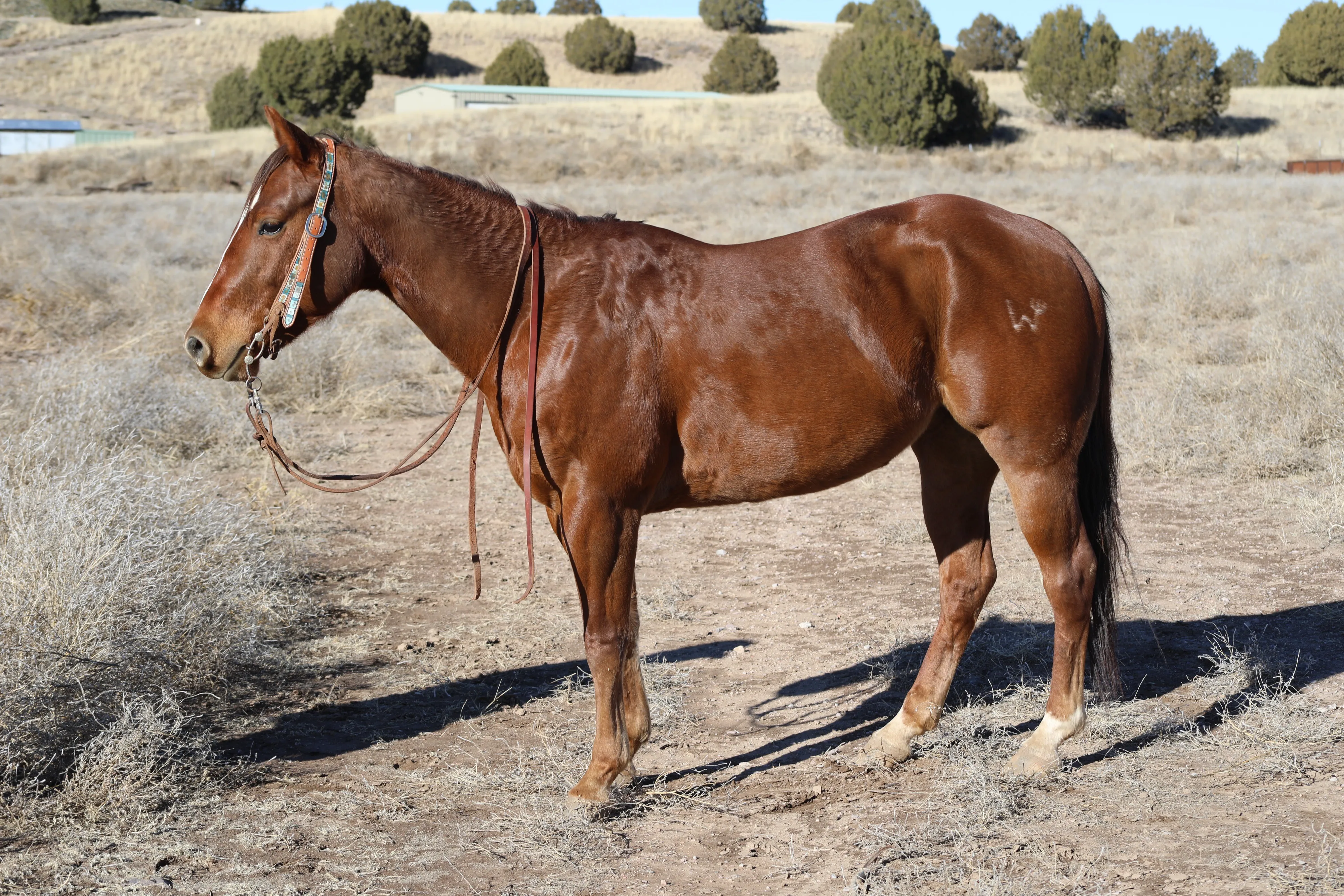
A horse does not learn to stay connected only in the familiar corner of an arena. Once the basics feel dependable, take a few quiet steps near a gate, a different rail, a saddle pad, or another ordinary object. The goal is not to make the horse brave by force. It is to let the horse notice something new while still being able to lead, stop, and return attention to the handler.
Work at a distance where the horse can think. A raised head or a look is not automatically a problem. Rushing, bracing, pulling away, or crowding tells you the question is too large right now. Move farther away, return to an answer the horse knows, then approach again in smaller pieces. Bar W’s article on desensitizing a horse without rushing explains how to build that kind of thinking distance without trapping the horse in a bigger lesson than it can manage.
End when the horse gives a calmer answer, not after it is worn out. A quiet approach, a soft halt, or a relaxed step away from the object is plenty for one session. The horse should leave with a clear idea of how to find relief, rather than a memory of being pushed until it stopped reacting.
Week four: connect groundwork to the job ahead
By the fourth week, you are not trying to create a finished horse. You are looking for dependable basics that can travel into the next part of the horse’s life. Can the horse lead from the pen with attention? Stand at a gate? Back one step without bracing? Notice a new object without leaving the conversation? Those answers make grooming, hauling, veterinary care, and future riding work more manageable.
If your next goal is riding, do not skip over the foundation in a hurry. A calm horse on the ground has a better place to start under saddle, but riding adds its own questions about balance, preparation, and timing. For a horse that needs a first start, Bar W’s colt starting service is built around clear groundwork and patient early rides. For a horse that has become inconsistent, a horse tune-up can help identify and rebuild the response that has started to slip.
Lunging can be useful when it has a clear purpose, but it is not a beginner’s answer to every problem. A fast circle does not replace leading, stopping, or safe handling. Before adding it, read Bar W’s guide on how to lunge a horse and make sure the horse already has the small answers that make a larger circle safe and understandable.
Keep a simple training note
A short note after each session can make progress easier to see. Write down the one response that felt easier, the moment that made the horse tighten, and the small change that helped it settle. This is not a scorecard. It is a way to recognize patterns before they become frustrations.
Look for quiet improvements: less pulling at the gate, a softer halt, more space around the handler, or a quicker return to attention after a distraction. Those are useful signs that the horse is learning how to understand the work. If the same concern grows larger, or a horse suddenly becomes more defensive, step back and ask for help rather than adding more pressure.
When a trainer is the safer next step
Beginner-friendly work should make life calmer, not put people in a position to handle more than they can safely manage. Get hands-on help when a horse is rearing, striking, kicking, bolting, pulling hard enough to put someone at risk, or becoming more fearful. Those situations are not a test of commitment. They are a reason to make a safer plan.
For owners near Prescott, Bar W starts with the horse in front of them and the job the owner hopes to do together. The broader horse training in Prescott page explains how colt starting, rope work, and tune-ups are approached with that practical foundation in mind. A good first conversation can help sort out what the horse already knows and what the next fair step should be.
Need a clearer next step?
Talk through the horse in front of you.
Call Bar W to discuss your horse’s experience, the challenges you are seeing, and the kind of work you want to do together.
Call 928.377.8293Frequently asked questions
Horse training for beginners, answered.
What should a beginner teach a horse first?
Start with safe, everyday answers: leading with attention, halting without crowding, standing for a moment, and taking one calm step back. Those responses make grooming, gates, hauling, and the next training step easier to manage.
How often should a beginner train a horse?
Short, purposeful sessions are usually more useful than trying to work for a fixed amount of time. Work often enough to keep familiar lessons clear, then stop while the horse is attentive and able to give a calm answer.
When should a beginner get help with horse training?
Get experienced, hands-on help when a horse is rearing, striking, kicking, pulling away, bolting, or becoming more fearful. A sudden change in behavior also deserves a conversation with a veterinarian, because pain or discomfort can look like a training problem.
Continue reading
More from the Journal.
Horse Groundwork7 Groundwork Exercises for Horses That Build Trust
A practical guide to seven groundwork exercises that build clearer communication, better attention and safer everyday handling.
Horse GroundworkHow to Lunge a Horse With a Clear, Quiet Plan
A practical guide to lunging a horse with safe positioning, steady communication and a purpose for every circle.