

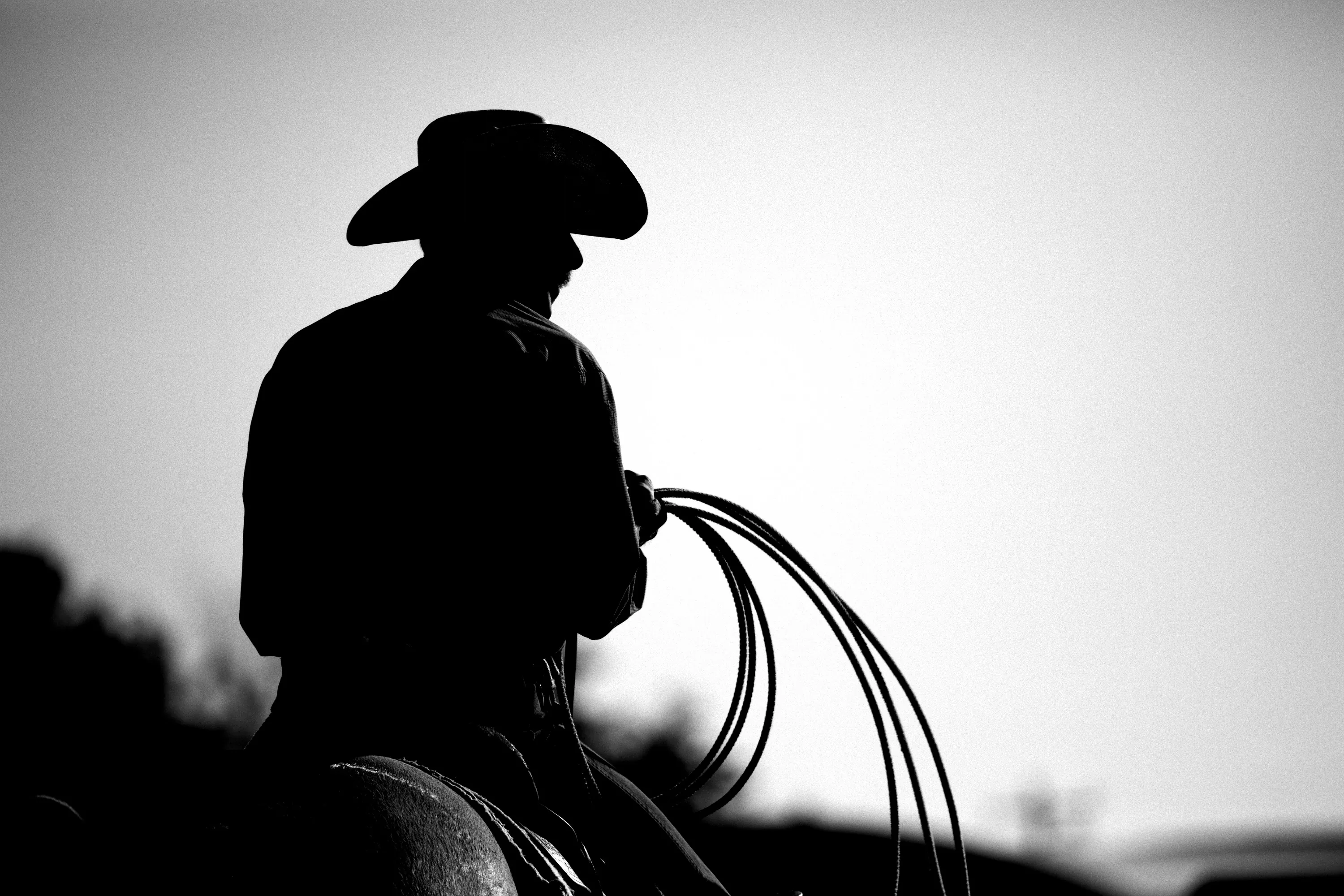
Good groundwork is not about making a horse perform tricks from the end of a rope. It is a way to build a clearer conversation before the pressure of the ride is added. When a horse can lead with attention, stop without crowding, move a shoulder or hip when asked, and settle after a new idea, everyday handling becomes easier and the next training step has a better place to start.
These groundwork exercises for horses are simple on purpose. The value comes from how clearly they are taught, how honestly the horse is allowed to respond, and how consistently the handler notices the small details. Use a well-fitted halter and lead, work in a safe area with solid footing, and stay aware of your own position. The American Association of Equine Practitioners' horse-owner resources are a useful starting point whenever a behavior change might also involve pain, health, or soundness.
Start with a simple goal
Before choosing an exercise, decide what you want the horse to understand. “Pay attention” is too vague to teach. A clearer goal might be: lead beside me without dragging, stand quietly while I take a step away, move the shoulder out of my space, or take one relaxed step backward from a light cue. Those are specific answers you can recognize and reward.
Work one idea at a time. If the horse is nervous, rushing, or leaning, do not stack a new exercise on top of that worry. Return to an easier request and make the release clear when the horse tries. That patient approach is the same foundation Bar W values in colt starting: clear expectations, consistent handling, and enough time for the horse to understand the job.

1. Lead with a soft, attentive feel
Leading is the first test of whether the horse is connected to the handler. Ask the horse to walk at your shoulder, not pull ahead, lag behind, or drift into your space. When you stop, the horse should notice and stop with you. When you turn, the horse should follow the change without swinging the hindquarters away or crowding through the turn.
Keep your hand quiet and your path deliberate. If the horse leans on the lead, do not get into a steady pulling match. Instead, make a small change in direction, ask for one attentive step, then soften when the horse follows. The lesson is not “stay perfectly still.” It is “pay attention to the person holding the lead.”
2. Practice the halt and stand
A horse that can stop and stand gives the handler time to think. Begin from an ordinary walk. Exhale, stop your feet, and ask the horse to stop with you. Once the feet are still, wait a few seconds before walking off. Build the standing time gradually so the horse learns that quiet is part of the answer, not a pause before the next correction.
Standing matters at the gate, at the trailer, during grooming, and when a rider needs a moment before mounting. It also shows whether the horse is mentally with you. If the horse fidgets, calmly reset the feet instead of holding them in place with a tight lead. A few good seconds of stillness are more useful than a long standoff.
3. Back one clear step at a time
Backing teaches the horse to yield away from light pressure and stay responsive without rushing. Start with one quiet step. You can use a light cue on the lead, a gesture toward the chest, or both. The instant the horse shifts weight back and steps away, soften. Add more steps only after the first step feels easy and straight.
A back-up should not become punishment. If the horse throws its head, braces, or walks backward too quickly, reduce the ask. A thoughtful single step is better than five hurried ones. This small exercise is especially useful when a horse begins to crowd the handler or lean through the lead, because it restores a respectful amount of space without escalating the situation.

4. Yield the shoulder
Moving the shoulder is one of the most practical ways to keep a horse out of your space. Stand where you can influence the shoulder without getting trapped in front of the horse. Ask for a small step away by directing your energy and, if needed, using a light cue near the lead or shoulder. Release as soon as the horse moves the front end over.
This exercise helps at gates, in narrow spaces, while grooming, and whenever a horse wants to lean into the handler. It is not about pushing the horse away. It is about teaching that your space has meaning and that the horse can move a body part calmly when asked. Keep the request small enough that the horse can stay relaxed.
5. Yield the hindquarters without rushing
Asking the hindquarters to step away can help a horse bend, soften, and reorganize its feet. Stand safely to the side, with enough lead to stay clear if the horse moves quickly. Ask for one or two crossing steps, then let the horse stand. The aim is a calm response, not a fast spin around the handler.
Watch the horse’s expression and tempo. A horse that is stepping under and softening is processing the request. A horse that is scrambling, swinging around, or crowding may be confused or worried. Slow the exercise down and make the cue lighter. In everyday work, this same ability helps the horse move through gates and make room without leaning on the person beside it.
6. Send the horse forward on a small circle
A circle can show whether a horse can move forward while staying connected to the handler. Start with a modest distance and a slow walk. Ask the horse to step out, keep a soft bend through the body, and maintain a steady rhythm. Your job is not to drive the horse until it is tired. Your job is to create a clear path and let the horse carry itself there.
Use direction changes sparingly and with purpose. A clean change of direction asks the horse to notice the handler, rebalance, and leave in the new direction without pulling. If the horse rushes, falls in, drifts out, or drags on the line, make the circle smaller, return to a walk, and rebuild the answer. More speed rarely fixes a lack of understanding.

7. Introduce an ordinary new object
Groundwork should prepare a horse for real life, not only the familiar corners of an arena. A tarp, a raincoat, a flag, a saddle pad, or a quiet gate can become a useful lesson when introduced with patience. Start far enough away that the horse can notice the object without becoming overwhelmed. Let the horse look, breathe, and approach in small steps.
A curious step forward, a relaxed neck, or a quiet pause are all signs that the horse is thinking. Do not force contact just to finish the exercise. The goal is for the horse to learn that a new object can be investigated without panic and that the handler will keep the request fair. That confidence carries into ranch country, trail riding, hauling, and the unfamiliar moments that show up outside the arena.
Keep the sessions useful
Groundwork works best when it has a beginning, a goal, and a clear end. Ten honest minutes can beat an hour of repeating the same request. Start with something the horse understands, work on one detail that needs attention, then finish with a simple win. The horse learns that calm effort brings relief, and the handler avoids turning training into a long argument.
Pay attention to patterns, not one imperfect moment. A horse may be fresh one day, tired another day, or distracted by weather and activity nearby. What matters is whether the horse is becoming easier to direct, quicker to relax, and more willing to stay with the handler over time. When those answers get worse instead of better, it is worth stepping back and asking what the horse is telling you.
When to get more help
Groundwork can improve ordinary handling and reinforce the basics, but it is not a substitute for experienced help when the situation is unsafe. Ask for support if a horse is striking, kicking, rearing, pulling away, charging through the lead, or becoming more fearful with each session. A sudden behavior change also deserves a conversation with your veterinarian, because discomfort can look like a training problem.
Bar W works with owners who want a stronger start, a more useful rope horse, or a clearer reset when the ride has become inconsistent. A horse tune-up can be a good next step when a horse needs focused work on responsiveness and trouble spots, while rope training builds on that foundation with a practical eye on rate, control, and the work ahead.
Need a clearer next step?
Talk through the horse in front of you.
Call Bar W to discuss your horse’s experience, the challenges you are seeing, and the kind of work you want to do together.
Call 928.377.8293Frequently asked questions
Groundwork questions, answered.
How long should a groundwork session be?
Keep the session purposeful rather than chasing a clock. A short session with clear responses is usually more useful than continuing after the horse has become tired, frustrated, or mentally checked out.
Can groundwork help before a horse is ridden?
Yes. Groundwork can help a horse understand leading, stopping, backing, yielding, and paying attention to the handler before those ideas are asked for under saddle.
What if my horse gets worried during groundwork?
Make the exercise smaller and return to a place where the horse can relax and understand the request. If worry, resistance, or a behavior change is persistent, work with an experienced trainer and involve your veterinarian when pain or health may be part of the picture.
Continue reading
More from the Journal.
 Horse Groundwork
How to Lunge a Horse With a Clear, Quiet Plan
A practical guide to lunging a horse with safe positioning, steady communication and a purpose for every circle.
 Horse Groundwork
How to Desensitize a Horse Without Rushing the Lesson
A practical way to help a horse meet unfamiliar sights, sounds and objects without turning curiosity into pressure.