

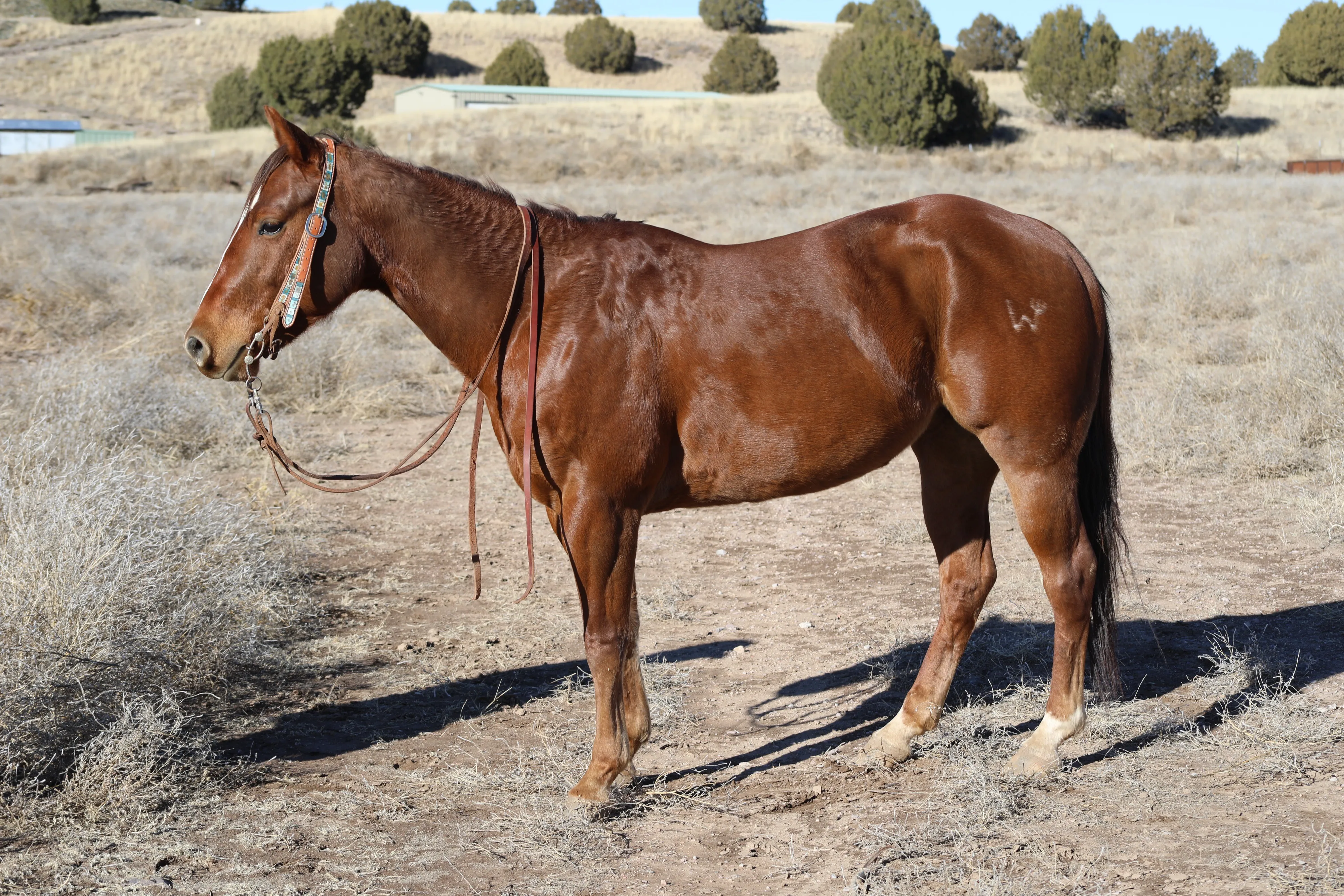
Lunging a horse is not just a way to make a horse tired before a ride. Done well, it is a quiet conversation at a distance. It gives the handler a chance to see how the horse is moving, whether attention is available, and how easily the horse can follow simple direction without the added pressure of a rider.
Done poorly, it can become a fast circle, a tight line, and a horse that is learning to brace instead of listen. The difference is rarely a special piece of equipment. It is the plan. Before stepping into the arena, decide what you want to learn or improve, keep the request small enough for the horse in front of you, and let a soft, correct response be the reason to stop.
First, decide why you are lunging
There are several honest reasons to lunge a horse. You may want to check in after time off, let a young horse review moving forward from a ground cue, or see whether a horse can settle into a walk and trot without pulling on the line. You may also be looking for a safe way to introduce a new horse to a new place before you ask for more.
“Take the edge off” is not a complete plan. If the goal is only to run energy out, the horse may learn to rush around the circle with no attention on the handler. A better goal is specific: walk out calmly, maintain a steady distance, soften when asked, or make one organized change of direction. Those are answers you can recognize, reward, and carry into the next ride.
Lunging is most useful when it supports the same clear communication you want under saddle. The groundwork habits in Bar W’s groundwork exercises guide apply here too: start with a manageable request, release when the horse tries, and avoid turning a small question into a long argument.
Set up for a safe, simple session
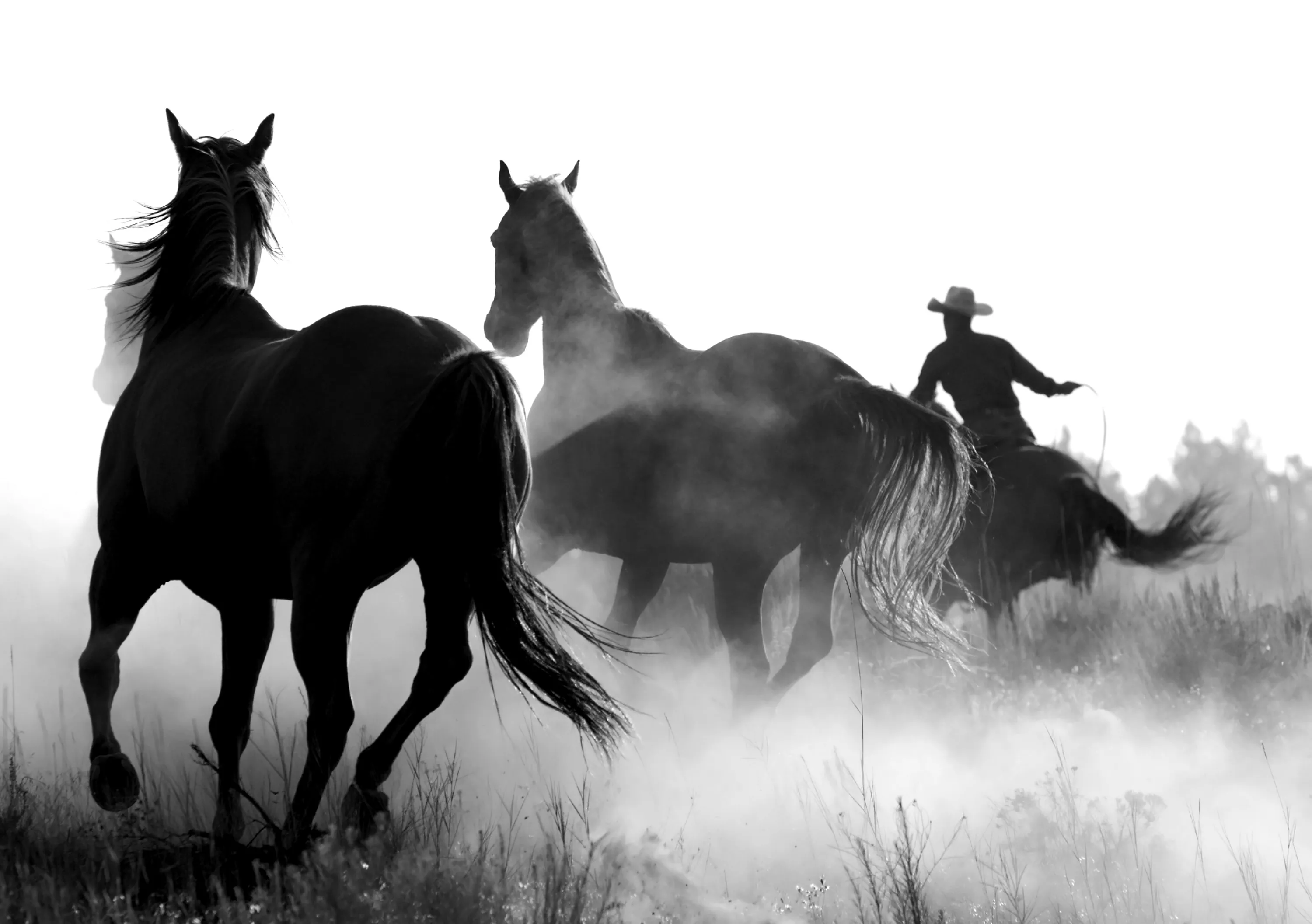
Choose an enclosed area with good footing and enough room for a relaxed circle. A round pen can be useful for a young horse learning the idea, while a larger arena gives more room to work without constantly pulling the horse around a tight bend. Keep gates secured, remove obvious hazards, and do not begin if the footing is slick, deeply uneven, or likely to make the horse lose balance.
Use a halter or a properly fitted lunging setup that the horse already understands, along with a long line that is in good condition and organized in your hand. Gloves can help protect your hands, and closed-toe boots are a practical baseline around any horse. Avoid wrapping the line around your hand, wrist, or waist. If the horse pulls away, you need the ability to let the line slide free rather than getting caught in it.
Before sending the horse out, make sure the basic leading answers are there. The horse should be able to walk beside you, halt, back a step, and move its shoulder away from your space. A horse that is crowding, pulling, or worried at your shoulder is not ready for a bigger circle. Return to those pieces first, or get hands-on help before the situation gets larger.
Find the position that keeps the conversation clear
Imagine a small triangle between you, the horse’s shoulder, and the hip. Your body position within that triangle influences whether the horse keeps moving, slows down, or turns in. You do not need to chase the horse from directly behind or pull its nose toward you from directly in front. Both positions create confusion and put you closer to the line of travel than you need to be.
Stand far enough from the horse that you can see the whole body and remain out of the path of a sudden step in or change of direction. Keep your shoulders soft, your feet moving in a small arc, and your attention on the horse’s ribcage and shoulder. The line should show a gentle connection rather than a constant tight pull. When the horse stays out on the circle with a quiet feel, let the line soften.
It helps to think of the lunge line as an extension of the lead, not a steering wheel. Your path, energy, and timing tell the horse where to go. If you find yourself hauling on the line to make every turn, the circle is probably too big a question right now. Bring the horse closer, slow the gait, or return to leading until the direction makes sense again.
Start at the walk, not at the speed
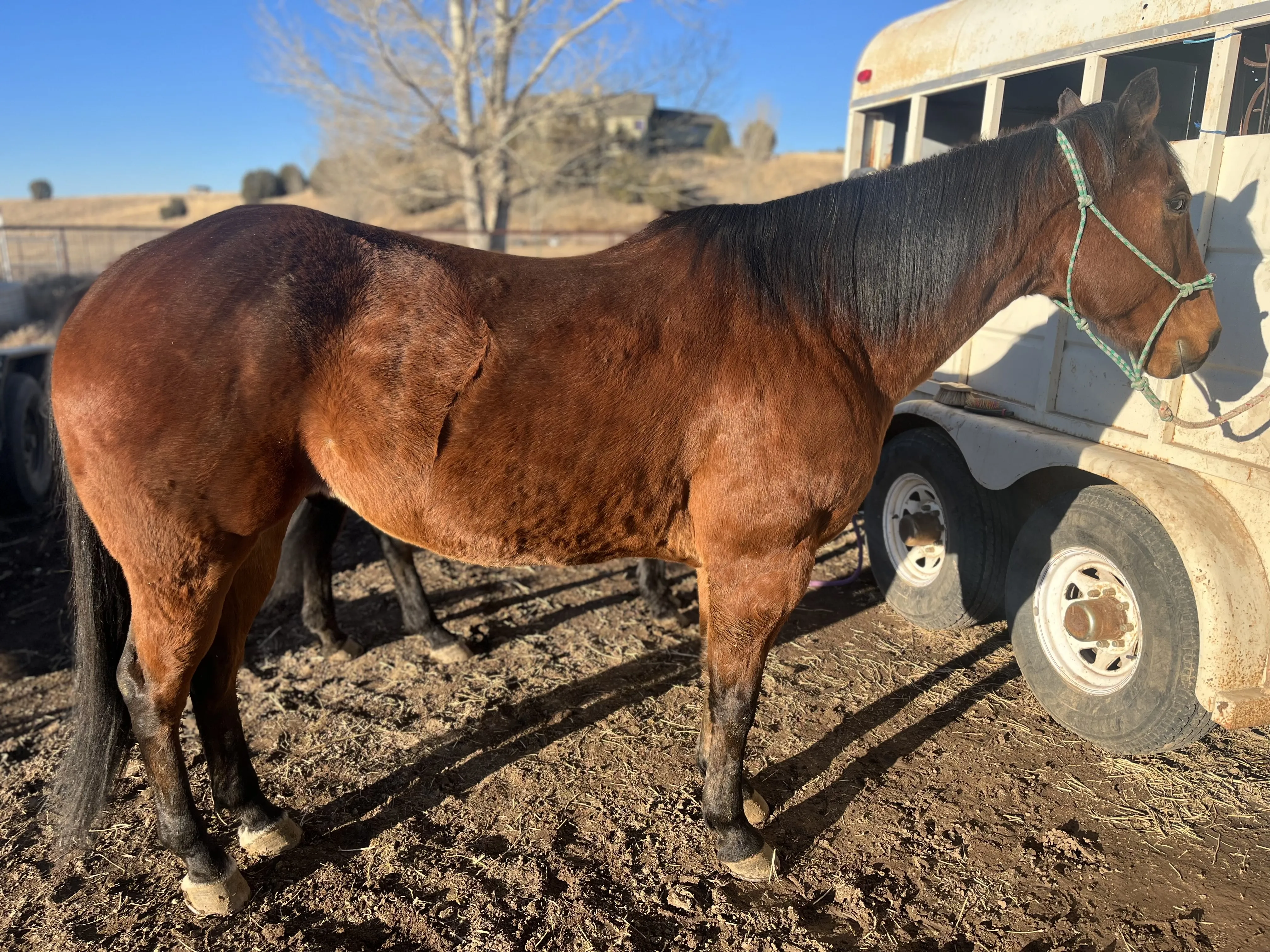
Begin with a few connected steps at the walk. Ask the horse to move out, then settle into a circle large enough that it can bend without falling in or leaning out. Watch for a steady rhythm, a relaxed neck, and an ear or eye that checks back to the handler. Those small signs tell you the horse is carrying the task instead of simply leaving on the line.
If the horse rushes out, do not match the hurry with more pressure. Walk a smaller circle yourself, use a calm voice if the horse knows it, and ask for a slower step before asking for a longer line. If the horse drifts inward and crowds you, move your own feet to create room and ask the shoulder to step out. If the horse braces outward, use a small change of direction or a return to leading instead of trying to win a pulling contest.
Once the walk is calm and even, you can ask for a trot by increasing your own energy slightly and directing the horse forward from behind the shoulder. The goal is not to make the horse travel fast. The goal is to see whether it can change gait without losing the circle, leaning on the line, or mentally leaving the conversation.
Use transitions to build attention
Transitions are often more useful than long stretches at one gait. Walk to trot, trot to walk, and a quiet halt ask the horse to notice the handler and rebalance. Start with one clean transition, then give the horse time to settle before asking for the next one. A horse that can come down to a walk without diving in, dragging on the line, or throwing its head is learning a valuable answer.
To ask for a downward transition, reduce your own energy first. Step slightly toward the horse’s shoulder, soften your posture, and use a quiet verbal cue only if it is already familiar to the horse. The moment the horse starts to slow, give back with your body and the line. That release is what tells the horse it found the right answer.
Keep the number of transitions sensible. A green horse may only need a few good walk-trot-walk changes before the session is complete. A more experienced horse can work through more variety, but quality still matters more than repetition. When the transition gets hurried, crooked, or tense, simplify the question rather than drilling it.
Change direction without pulling or rushing
A direction change should feel like a reset, not a spin. Bring the horse down to a walk if needed, take a little room for the shoulder to come through, and invite the horse to turn toward you without stepping into your space. Once the horse has changed eyes and is organized, send it out on the new circle with the same quiet expectation you had on the first side.
Do not snap the line across the horse’s face or yank the horse through a turn. If the horse rushes through you, pauses to face you but will not leave, or swings the hindquarters around wildly, go back to a smaller leading exercise. A soft shoulder yield, one step of backing, or a calm turn at the walk can rebuild the missing piece far better than trying to force the entire direction change at once.
Keep an eye on how the horse feels from side to side. Many horses have an easier and a harder direction, especially early in training. A difference is information, not a reason to push through discomfort. If the horse is consistently uneven, resistant, or suddenly different, pause the training question and speak with an experienced professional. When pain, health, or soundness may be part of the picture, bring your veterinarian into the conversation.
Know when to add canter, and when not to
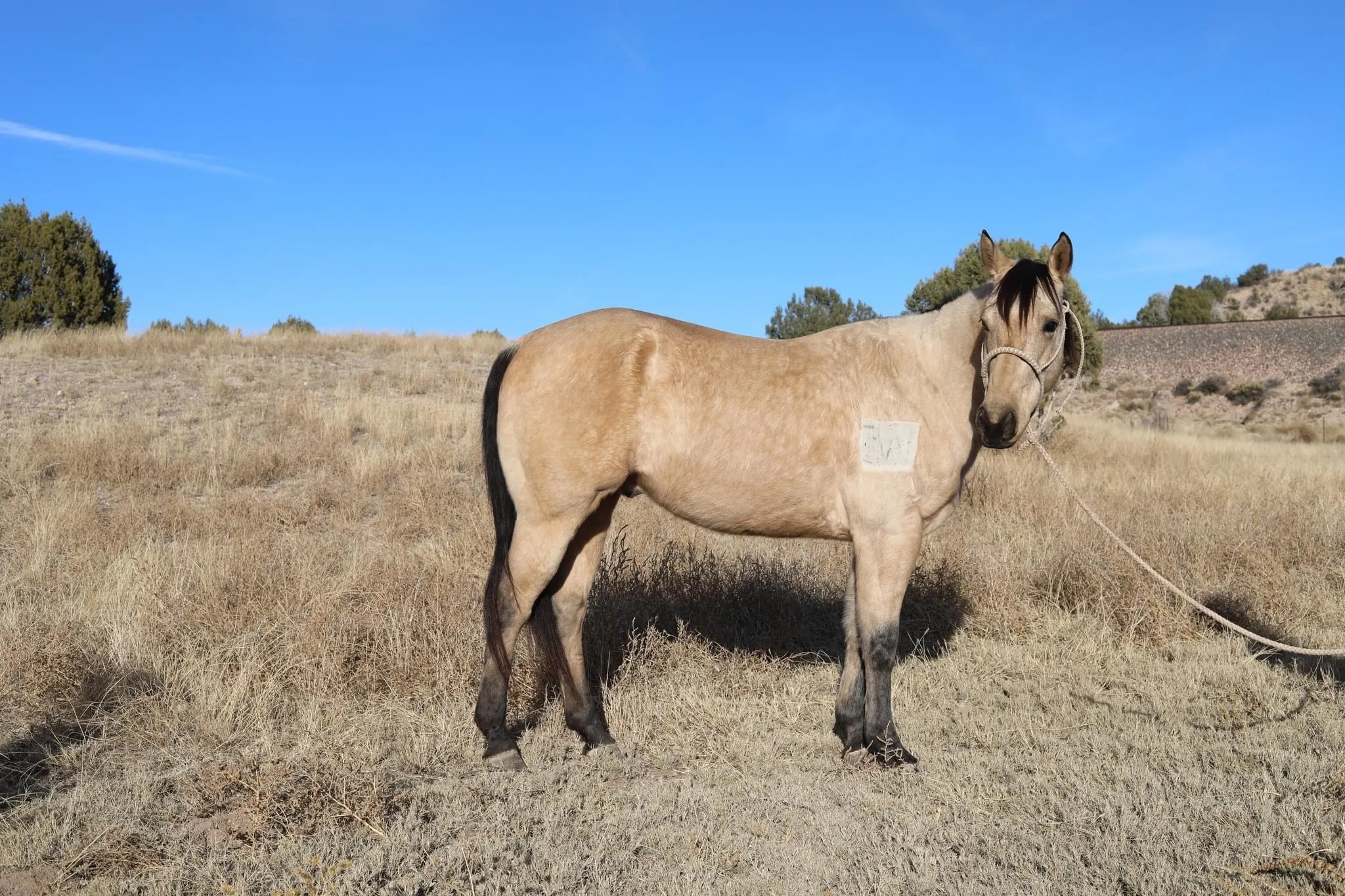
Canter is not required in every lunging session. A horse that cannot walk and trot in balance with attention will not become more organized because the circle gets faster. For a young or green horse, a calm walk and trot may be the entire lesson. For a horse returning to work, it may be enough to see a few quiet transitions before getting on or deciding that today is better suited to a simple ground session.
When the walk and trot feel soft, balanced, and consistent, ask for only a few canter strides at first. Give the horse room to leave, keep the line from becoming tight, and come back down before the horse begins to lean, rush, or lose balance. The best early canter work often looks almost uneventful. The horse steps into the gait, stays on the circle, comes down when asked, and finishes without a fight.
Do not use lunging to exhaust a horse. Long, fast circles can be hard on the horse’s body and can teach a habit of anticipating speed instead of waiting for a cue. If the horse needs more movement than a short session can safely provide, consider whether turnout, a larger working space, or a different training plan is the better answer.
End when the horse understands the job
A useful session has a clean finish. You may end after the horse gives you one relaxed walk, one quiet halt, or a better change of direction than it offered at the start. Walk up calmly, shorten the line without rushing, and let the horse stand for a moment before taking the gear off. That stillness is part of the lesson too.
Try not to keep going simply because the horse finally did the right thing. Repeating a correct answer until it falls apart can make the horse feel like there is no release. Ending on a clear try teaches that calm attention and cooperation are worthwhile. Write down any pattern you noticed, especially if the horse was stiff one way, more worried than usual, or harder to settle than before.
When professional help makes sense
Lunging can be a useful part of groundwork, but it is not a shortcut around a bigger issue. Get professional help when a horse is rearing, striking, kicking, pulling hard enough to put people at risk, or becoming more fearful with each session. A sudden behavior change is also worth taking seriously. Training and health affect one another, and discomfort can easily look like defiance from the end of a line.
For owners who want a more reliable foundation, Bar W’s colt starting work builds clear responses from the ground into the first rides. A horse tune-up can also be a practical next step when a horse needs focused work on responsiveness, consistency, or a habit that has started to interrupt the ride. The goal is not a tired horse. It is a horse that understands the next fair question.
Need a clearer next step?
Talk through the horse in front of you.
Call Bar W to discuss your horse’s experience, the challenges you are seeing, and the kind of work you want to do together.
Call 928.377.8293Frequently asked questions
Lunging questions, answered.
How long should I lunge a horse?
Keep the session tied to a clear purpose rather than a fixed clock. A few thoughtful minutes at a walk and trot can be enough for a young, green, or fresh horse. End when the horse has given you a quiet, understandable answer instead of continuing until either of you is tired.
Should a horse always canter when lunging?
No. Walking and trotting with balance, attention, and a soft feel are more useful than pushing a horse to canter. Add more speed only when the horse is already calm, organized, and ready for that request.
Can lunging fix a horse that is hard to ride?
Lunging can help a handler observe a horse and review basic responses, but it does not replace a careful training plan. When a horse is unsafe, suddenly different, sore, or harder to handle, get experienced help and involve a veterinarian when pain or soundness may be part of the picture.
Continue reading
More from the Journal.
 Horse Groundwork
7 Groundwork Exercises for Horses That Build Trust
A practical guide to seven groundwork exercises that build clearer communication, better attention and safer everyday handling.
 Horse Groundwork
How to Desensitize a Horse Without Rushing the Lesson
A practical way to help a horse meet unfamiliar sights, sounds and objects without turning curiosity into pressure.