

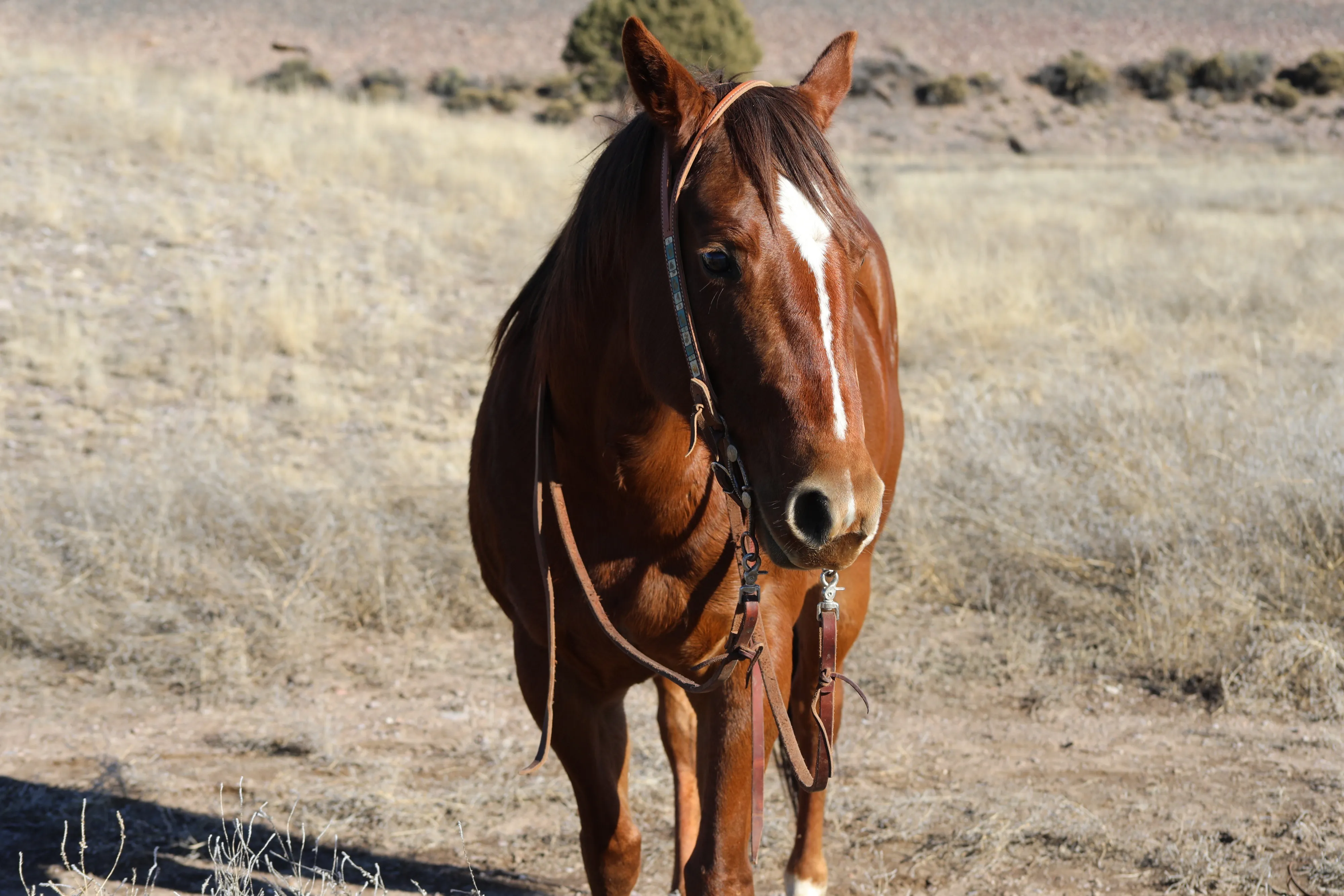
Trust is not a trick you teach a horse in one session. It is the result of hundreds of small moments in which the horse learns that your timing is fair, your requests make sense, and there is room to find the right answer without getting trapped. That is why the work that looks ordinary, leading, stopping, standing, and returning to a quiet response, matters so much.
When owners ask how to get a horse to trust them, they are often seeing a horse that feels guarded, distracted, pushy, quick to leave, or simply harder to reach than they expected. The answer is not to ask for more affection or add more pressure. Start by making the next interaction clear enough that the horse can relax and participate. Trust grows when the horse can predict what happens next and discovers that a thoughtful try brings relief.
1. Start with a safe, honest baseline
Before trying to build more trust, look at the situation as it is. Choose an enclosed space with good footing, wear practical boots, and use a halter and lead the horse already understands. Keep the lead organized in your hand, never wrapped around a wrist, hand, or waist. The goal is not to prove that you can handle a big reaction. It is to create a setting where neither the horse nor the handler needs one.
Notice what the horse does when you walk up, halter, lead, stop, and step away. Does it crowd your space, pull ahead, freeze, swing its hindquarters, or simply look around without reconnecting? None of those answers means the horse is bad. They tell you where the conversation becomes unclear. A horse that cannot stand quietly at the shoulder is not ready for a larger challenge at the end of a long line or under saddle.
Also pay attention to changes. If a horse that was normally willing becomes defensive, worried, hard to catch, or suddenly difficult to handle, slow down and consider the whole picture. The American Association of Equine Practitioners’ horse-owner resources are a useful starting point when behavior could be connected to pain, soundness, or health. Training can clarify a learned response, but it should not be used to push a horse through a physical problem.
2. Make your first requests easy to understand
Trust starts with questions a horse can answer. Ask for a quiet step forward, a halt with your feet, one step back, or a shoulder that moves politely out of your space. Keep the cue light enough that the horse has a chance to notice it, then make it clearer only if needed. The instant the horse makes an honest try, soften. That release is the part that tells the horse it found the answer.
A common mistake is to keep asking after the horse has already responded. If you ask for one step back and continue pressing until the horse has taken six hurried steps, the horse learns that it is hard to find the end of the request. A better lesson is smaller: ask, get one correct step, and let the pressure go away. Repeat only after the horse has had a moment to settle.
This is the same reason simple groundwork exercises are valuable. They give you clear answers to recognize instead of asking the horse to guess what “be good” means. A horse does not need a complicated routine to begin trusting the handler. It needs consistent cues, fair timing, and enough space to make a calm choice.
3. Let the horse have a thinking distance
Every horse has a point where it can notice something new and still think. It may raise its head, look hard, or pause, but it can still follow a soft lead, keep its feet under itself, and bring some attention back to the handler. That is a useful place to work. If the horse is bracing backward, rushing through your space, pulling away, or unable to take one quiet step, the question is too large right now.
Move farther away, make the object quieter, shorten the session, or return to a familiar job. Retreating to a manageable distance is not giving in. It teaches the horse that calm attention changes the pressure. When the horse looks at something, breathes out, softens its neck, or shifts an ear back toward you, let the moment get easier. A horse learns far more from that clear change than from being held in a situation until it stops moving.
For example, if a horse is unsure about a tarp, begin far enough away that it can look at it while still leading with a soft feel. Ask for a halt, walk a few relaxed steps away, then come back. Once that feels ordinary, approach one or two steps closer. The goal is not to get the horse on the tarp before the end of the day. The goal is to let the horse discover that it can stay organized around something unfamiliar.
4. Be predictable with pressure and release
Horses pay close attention to what makes pressure start and what makes it stop. If the handler gets bigger, louder, or more insistent at random moments, the horse has no reliable path to the answer. That uncertainty can look like resistance, but often it is simply a horse trying to protect itself from a confusing situation.
Use the smallest cue that the horse can understand, then release when it tries. If the horse misses the cue, increase the clarity in small steps rather than jumping straight to a hard correction. When the horse finally responds, match the release to that response. This does not mean accepting dangerous behavior or letting a horse walk over you. It means making the boundary understandable instead of turning every correction into a long argument.
Consistency matters more than intensity. A horse may forgive an imperfect moment, but it has trouble learning from a handler whose rules change from one day to the next. Decide where you want the horse to lead, how much space you need, and what a quiet halt looks like. Then practice those same basics often enough that the horse can rely on them.
5. Keep sessions short enough to finish well
Trust does not require exhausting a horse. Long sessions can make an owner feel productive, but a horse that is mentally tired, frustrated, or physically sore is less able to understand the lesson. Ten quiet minutes with a clear beginning and a calm finish can do more than an hour of repeating a request after the horse has checked out.
Build a small plan before you begin. You might decide to lead with attention, practice two quiet halts, step around a gate, and stand for a few seconds before putting the horse away. If that goes well, end there. A good finish gives the horse a simple memory to carry into the next session: when it stays connected and tries, the work becomes easier.
The same principle applies when a horse is fresh or worried. Do not confuse a long, fast session with useful work. If a horse needs to move, use a safe setup and a clear purpose. Bar W’s guide on how to lunge a horse explains how a calm circle and a few organized transitions can be more useful than trying to run energy out.
6. Separate fear, confusion, and a missing boundary
Not every difficult moment comes from the same place. A horse that is afraid may need more distance and a smaller question. A horse that is confused may need a simpler cue and a clearer release. A horse that is crowding or pushing through a handler still needs a boundary, but it needs one that is fair and easy to understand.
Start by watching the whole horse. A worried horse may hold its breath, brace, scan the environment, or rush away from pressure. A confused horse may try several answers quickly and become more unsettled when none brings relief. A horse testing space may lean, step into the handler, or ignore a familiar cue while otherwise appearing calm. Your response should fit the problem in front of you rather than relying on one bigger correction for every behavior.
When you are unsure, return to a familiar request. Ask the horse to lead, halt, or back one thoughtful step. If that simple answer is not available, make the environment easier and rebuild it there. If the horse is unsafe, escalating, or suddenly unlike itself, get experienced help instead of trying to sort it out alone.
7. Carry the same clarity into the ride
A horse does not divide its world into “groundwork rules” and “riding rules.” The same habits carry forward: a cue should mean something, a try should be recognized, and the horse should be allowed to settle after a new idea. Before getting on, check that leading, stopping, and standing are available. Under saddle, ask for simple responses before adding speed, distance, or a new setting.
When a horse gets tense under saddle, try not to make every ride a test. Give it a small, familiar job it can do well: walk a quiet circle, stop, soften, and stand. If you are introducing a new place, allow time to look without letting the horse drift through the rider’s cues. The goal is a horse that can notice its surroundings and still come back to a clear conversation.
For young horses, that progression needs patience. Bar W’s colt starting program is built around giving a horse time to understand handling and riding before more is asked. A horse that has become inconsistent or hard to direct may benefit from a focused tune-up, especially when the owner needs help identifying which basic response has started to slip.
8. Measure trust by the small changes
Do not wait for a dramatic moment to decide whether progress is happening. Trust often looks quiet. The horse walks to the gate without pulling. It stops when you stop. It can look at something new, then return its attention to you. It stands a little longer at the mounting block. It needs less pressure to make the same familiar response.
Those details are useful because they hold up in ordinary life. A horse that is calmer only when everything is perfect has not yet learned much about coping with change. A horse that can stay connected through a little uncertainty has a more practical foundation for ranch work, trail riding, hauling, or the next step in training.
Keep notes when that helps you see patterns. Write down what felt easier, what made the horse tighten, and which small response brought relaxation back. This is not about grading the horse. It is a way to notice whether the work is making life clearer for both of you.
When hands-on help is the right next step
Some trust questions are bigger than an owner should solve alone. Ask for experienced help when a horse is rearing, striking, kicking, bolting, dragging a handler, or becoming more fearful from one session to the next. A sudden behavior change deserves extra care, particularly when health, soundness, teeth, saddle fit, or pain could be part of the picture.
For owners near Prescott, Bar W works with young horses that need a patient foundation and with horses that need a more useful reset. The right starting point is an honest conversation about what the horse knows, what has changed, and the kind of riding you want to do together. Bar W’s Prescott horse training page outlines the practical foundation work that can support the next step.
Need a clearer next step?
Talk through the horse in front of you.
Call Bar W to discuss your horse’s experience, the challenges you are seeing, and the kind of work you want to do together.
Call 928.377.8293Frequently asked questions
Trust-building questions, answered.
How long does it take for a horse to trust you?
There is no honest fixed timeline. A horse with a solid handling history may settle into a new relationship quickly, while a worried, inexperienced, or recently unsettled horse may need many short, predictable interactions. Progress is better measured by calmer, more repeatable responses than by a date on the calendar.
Can you make a nervous horse trust you?
You cannot force trust, but you can create the conditions that make it more likely. Keep the horse safe, make requests small enough to understand, release pressure when it tries, and avoid putting it in situations where it feels trapped. If fear is escalating or people are at risk, ask an experienced trainer for hands-on help.
What should I do if my horse suddenly stops trusting me?
Treat a sudden change as information rather than a character flaw. Review what changed in the horse’s body, schedule, environment, tack, handling, or workload. When pain, soundness, or health could be involved, speak with your veterinarian before treating the behavior as a training problem.
Continue reading
More from the Journal.
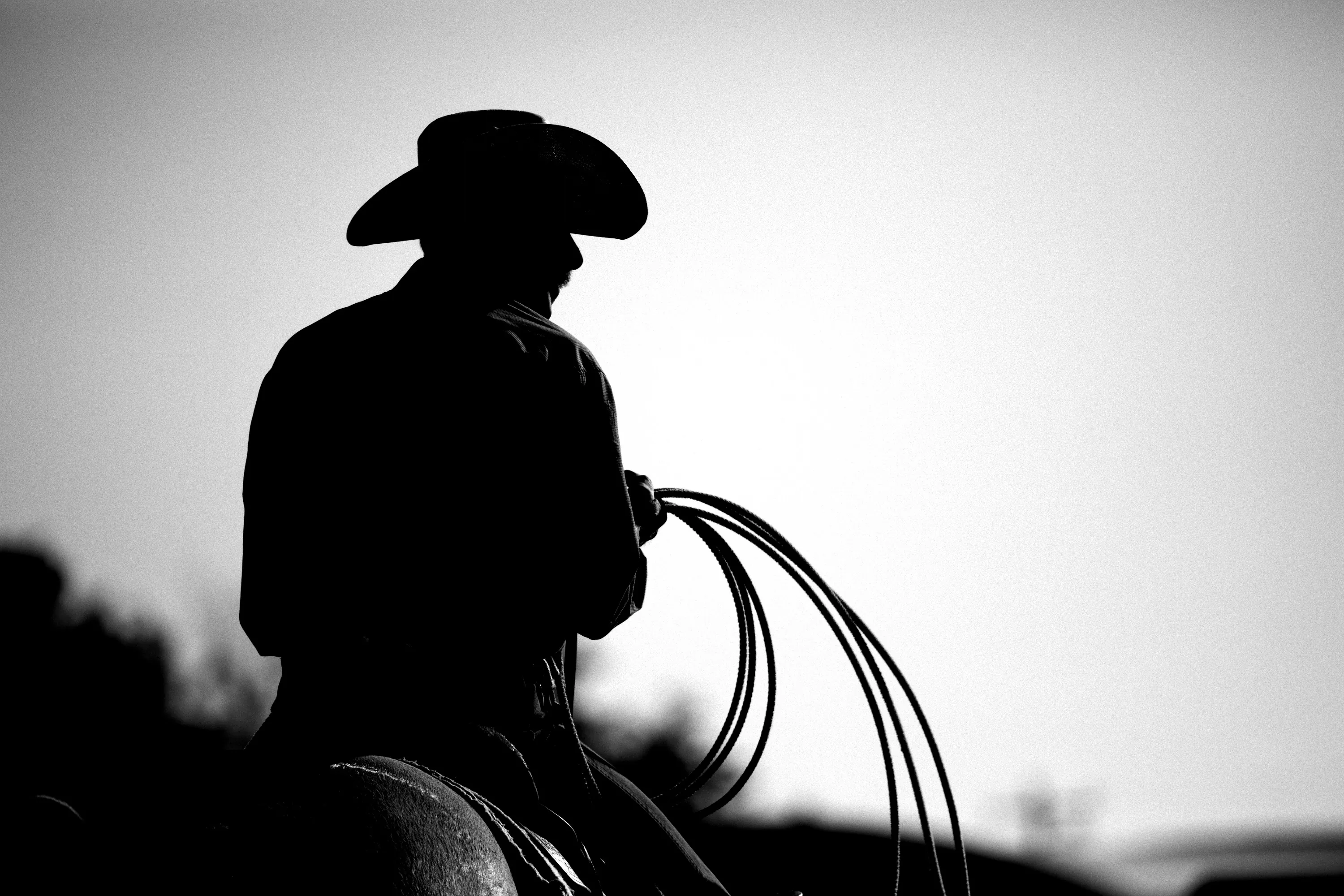 Horse Groundwork
7 Groundwork Exercises for Horses That Build Trust
A practical guide to seven groundwork exercises that build clearer communication, better attention and safer everyday handling.
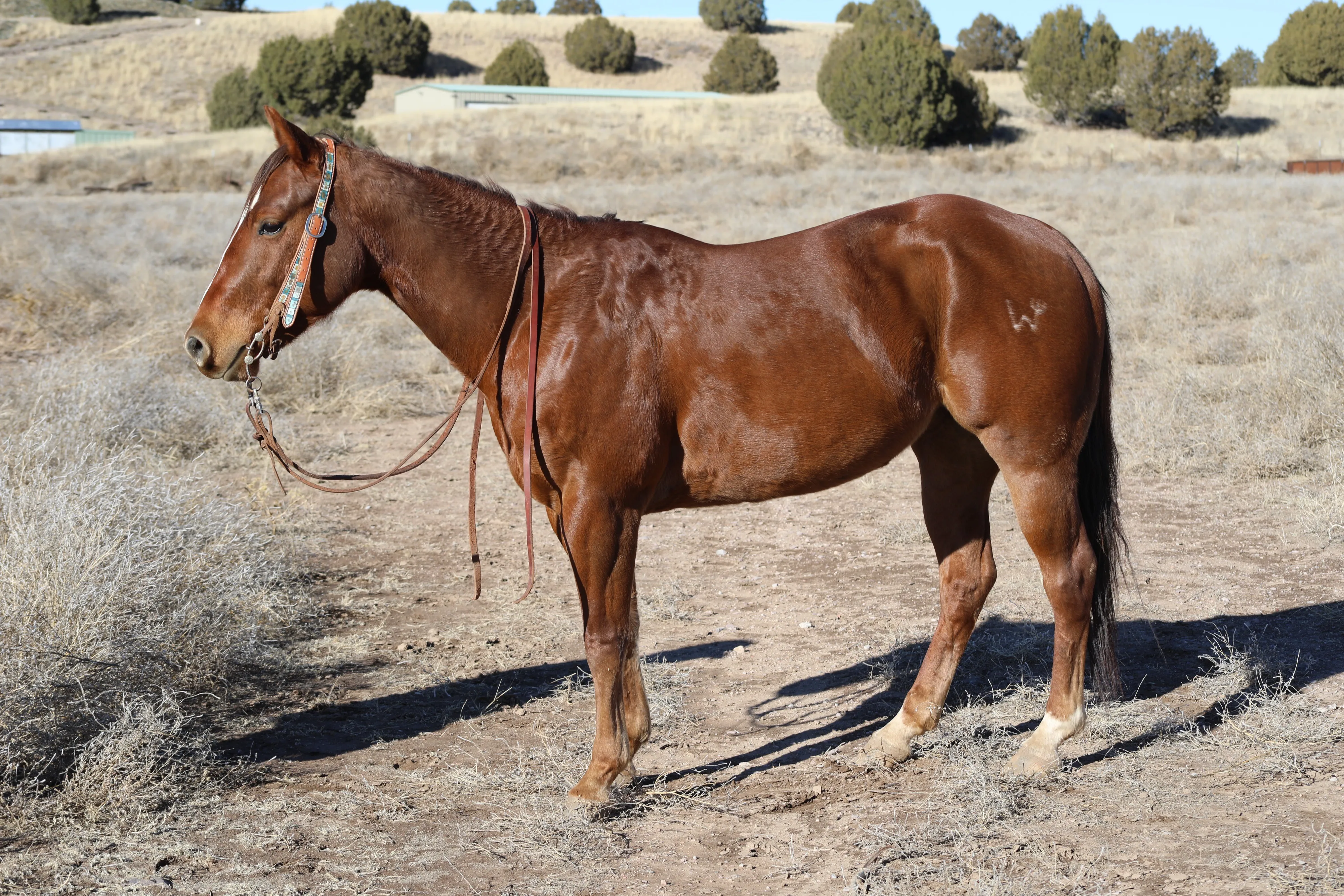 Horse Groundwork
How to Lunge a Horse With a Clear, Quiet Plan
A practical guide to lunging a horse with safe positioning, steady communication and a purpose for every circle.