

Prescott, Arizona
Western Horse Training Near Prescott, Arizona
Patient, practical training for horses headed to the rope box, ranch, trail, and the everyday ride in between.
Call 928.377.8293Useful training starts with a useful goal
Build a western horse you can take somewhere.
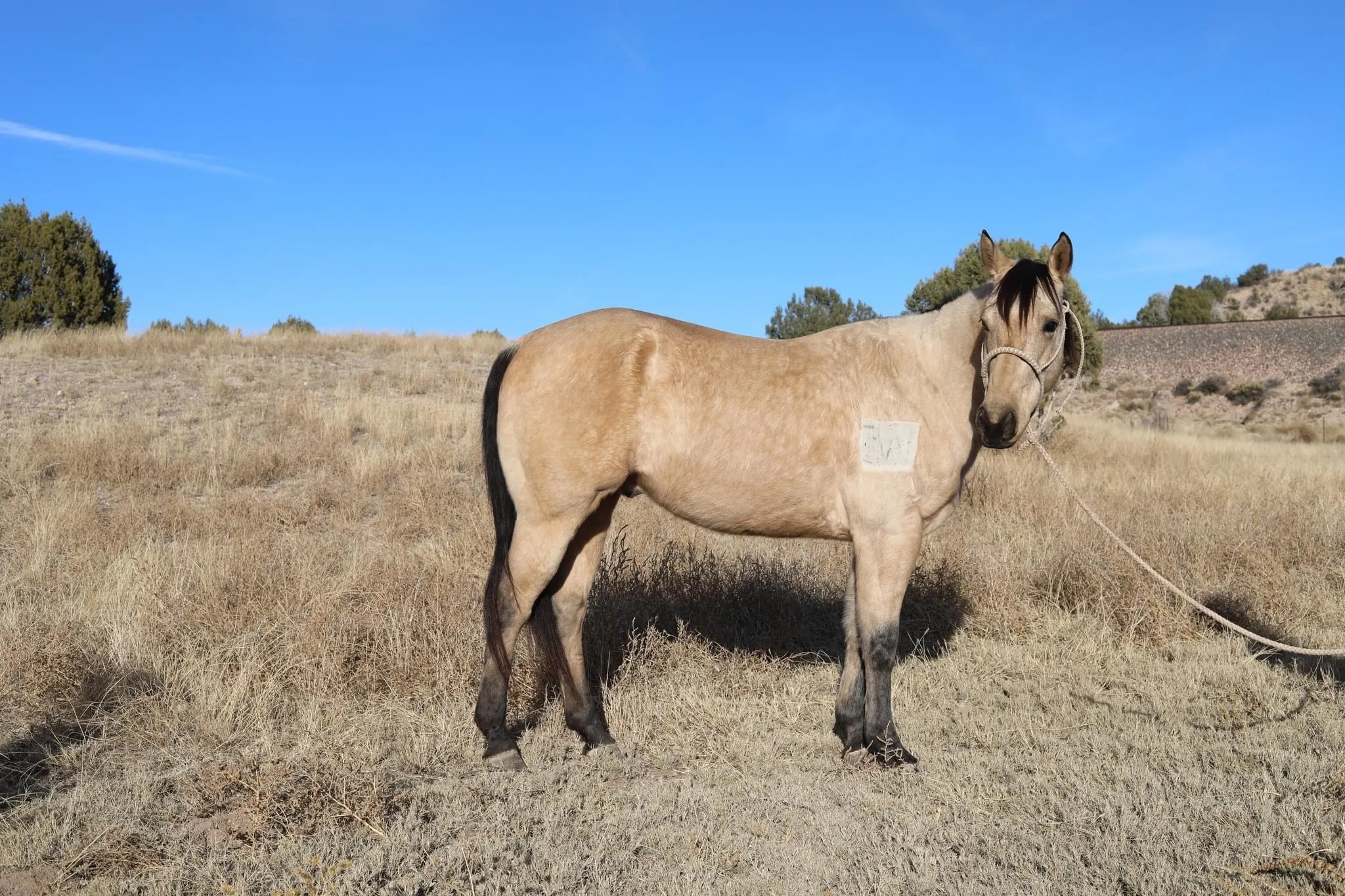
Western riding asks a horse to stay with the rider through more than a familiar arena pattern. One horse may be headed toward the rope box. Another may need to cover ranch country, settle on a trail, or become a steadier partner for ordinary rides at home. The job can change quickly, and the horse needs a foundation that does not disappear when the setting does.
At Bar W Performance Horses, western horse training starts with the horse in front of us. A young prospect needs a careful first start. A rope horse may need more rate, control, or consistency. A horse that has become hard to ride may need the basics brought back into focus. The work is shaped around that real starting point, then built toward the riding you want to do next.
Give the basics enough time to stick.
A useful western horse does not need to know every answer at once. They need to understand the rider's guidance, handle new situations without becoming overwhelmed, and come back to a clear response when the picture changes. That takes patient work and a willingness to build one correct step at a time.
For a young horse, that process begins well before there is pressure to perform. Colt starting at Bar W is built around calm handling, clarity, and a first foundation the horse can carry forward. The goal is not to rush through a list of milestones. It is to give the horse a fair start that supports future roping, ranch riding, trail miles, or the direction the owner chooses later. Explore Bar W's colt starting program for a young prospect that needs that beginning.
Train for the work beyond one good ride.
Horses are often at their best when the setting is predictable. The meaningful test is whether that same horse can stay thoughtful when the ground changes, a dog moves through the picture, brush closes in, water appears, or the rider asks for something new. Those ordinary moments are part of western riding, whether the destination is the ranch, the trail, or the rope box.
Bar W keeps that practical picture in view. A horse that leads with attention, accepts direction without bracing, and settles after a distraction has a stronger place to build from than a horse that only works when every condition is perfect. The aim is a willing partner that stays available to the rider in the places owners actually want to ride.
Bring more consistency to rope work.
Rope horses need to remain connected while pace, pressure, and the job in front of them keep changing. Rate matters. Control matters. Just as important, the horse needs to wait for the rider instead of trying to guess the next move. That consistency is built through repeatable work, not a single fast run.
Bar W works with horses building their foundation and horses that need more finished rope work. The focus stays on a steady feel, useful responses, and progress that carries beyond one session. Bar W's rope training is a fit for owners who want to build a more controlled, confident horse without losing sight of the basics that make the work hold up.
Reset the ride when the rough edge shows up.
Sometimes a horse does not need a complete change of direction. They need a reset. A horse can become less responsive, lean through a cue, lose focus away from home, or feel rougher in a job that used to come easily. More pressure is not automatically the answer. The useful next step is to look honestly at the trouble spot and bring the basics back into focus.
A tune-up gives the work room to slow down and become clear again. Owners do not need to arrive with a perfect diagnosis. It helps to describe what has changed, where the ride has become less consistent, what the horse still does well, and what you would like to get back to. From there, Bar W can talk through whether a horse tune-up fits the horse and the goal.
Keep the owner’s real riding in the conversation.
Good training has somewhere to go when the horse comes home. The owner may want a calmer first season with a young prospect, a more dependable rope horse, a ranch horse that can stay useful in changing country, or a trail horse that feels less like a question mark. Those goals matter because they shape what useful progress looks like. They also give the first conversation a more practical place to begin than trying to fit every horse into the same answer.
That does not mean every horse follows the same timeline or program. Progress is stronger when the training respects the horse's current experience and gives each new response time to become dependable. A clearer stop, a more willing turn, a horse that can settle after a distraction, or a more consistent feel under saddle can all make the next ride more productive. Those details are not separate from the larger goal. They are what help the horse stay useful after a new setting, a longer day, or a more demanding ride asks for more. That is the kind of practical improvement Bar W works to build.
A clear first conversation
Start with the horse you have today.
A first call is most useful when it starts with honest details. Share your horse's age, training history, temperament, current strengths, and the moments that are giving you trouble. If you have a goal in mind, such as roping, ranch riding, trail riding, or giving a young horse a correct first foundation, include that too.
Those details help Bar W talk through the next sensible step instead of offering a generic answer. Some horses need a patient start. Some need more finished rope work. Some need a focused tune-up before the ride becomes clear again. Bar W's training services are built around those different needs while keeping the same practical outcome in view: a horse that is easier to handle, clearer to ride, and better prepared for the work ahead.
When moving a horse is part of the plan, Bar W also provides horse transportation support. Share the pickup location, destination, and timing early so the conversation can cover both the haul and the work that comes next.
Frequently asked questions
Make the next step clear.
What is western horse training?
Western horse training is practical work that prepares a horse for western riding goals, which can include a young horse's first foundation, rope work, ranch riding, trail riding, and a more responsive everyday ride.
Does Bar W work with young western prospects?
Yes. Bar W offers patient colt starting that gives young horses time to understand handling, rider guidance, and the basics that support their future work.
Can western horse training help with a horse that has become difficult to ride?
A tune-up can help when a horse has lost responsiveness, become inconsistent, or needs the basics brought back into focus. The first conversation helps determine whether that is the right next step.
Do you train horses for riding outside the arena?
Yes. Bar W keeps the practical work in view, including ranch and trail riding where a horse may need to stay with the rider through changing terrain and distractions.
How do I get started?
Call Bar W with your horse's age, training history, current strengths, the trouble spots you are seeing, and the kind of riding you want to do together.
Ready to talk?
Tell Bar W about your horse.
Call to discuss where your horse is now and what you would like to work toward.
Call 928.377.8293