

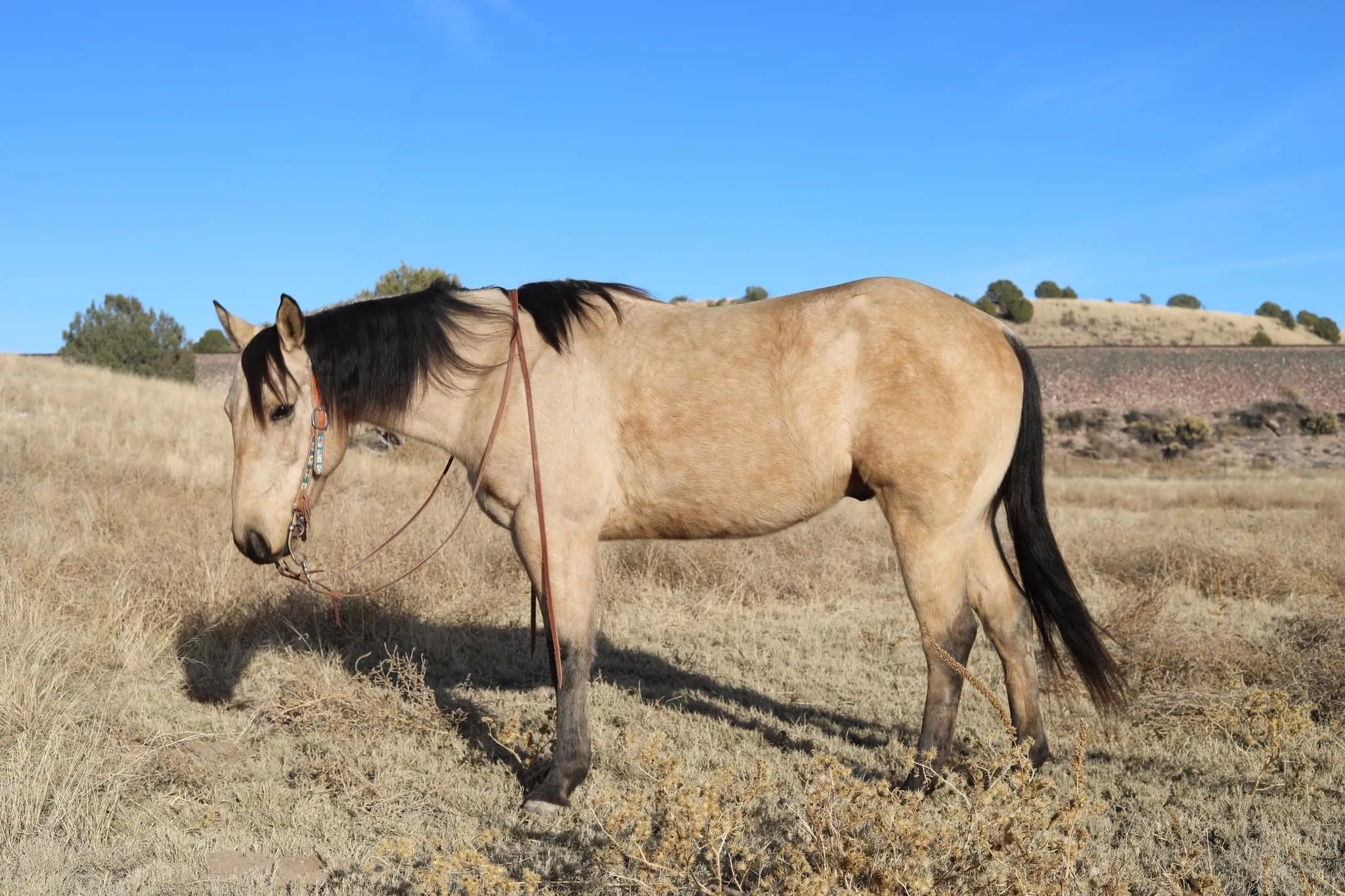
Prescott, Arizona
Horse Transportation Near Prescott, Arizona
When moving a horse is part of the plan, start with a clear conversation about the horse, the trip, and what needs to happen next.
Call 928.377.8293Start with the details that matter
A horse haul is easier to plan when everyone starts in the same place.
Moving a horse is rarely just about getting from one address to another. The horse's hauling experience, the pickup, the destination, the timing, and the reason for the trip all shape the conversation. An owner may be bringing home a new horse, moving a horse into training, heading to a new barn, or arranging the next leg of a larger plan.
Bar W Performance Horses offers transportation support for owners around Prescott who need a straightforward place to begin. The first call is not about forcing a generic answer onto the trip. It is about getting the right details on the table so the next step is clear for the horse and the owner.
Talk through the horse before the trailer arrives.
Every horse comes to a haul with a different history. Some load quietly and have regular travel experience. Some have not hauled much. Others have become worried, resistant, or unsettled after a difficult trip. That history matters because it helps make the conversation more useful before anyone tries to solve the logistics on the fly.
When you call, share what you know about the horse's hauling experience and everyday handling. Mention whether loading has been easy, whether the horse has traveled recently, and whether there are any concerns you want Bar W to understand. You do not need a perfect explanation. Honest details give the trip a more practical starting point than guessing at what the horse will need.
Give the pickup, destination, and timing a clear place in the plan.
A good transportation conversation starts with the basics: where the horse is coming from, where the horse needs to go, and when the move needs to happen. Those details affect every part of the trip, from coordinating the people involved to making sure the horse's next step is understood.
If the destination is a new home, it helps to consider what the horse will be walking into. If the horse is going to training, share the goal for that work. If the haul is part of a sale, a move between barns, or a change in plans, say that as well. The reason for the trip does not need to be complicated, but it keeps the transportation conversation connected to the horse's real situation instead of treating the haul as an isolated errand.
It also helps to think about the handoff at both ends of the trip. Make sure the people involved know who is responsible for the horse at pickup and arrival, and have the details they need before the day comes. A clear plan does not eliminate every variable around a horse, but it gives the owner, the handler, and Bar W a better shared picture of the move. It also gives the horse a more predictable transition into the next setting. That is especially useful when the trip involves a new home, a training start, or an owner coordinating from more than one location.
When transportation and training go together, keep the handoff simple.
Transportation is often part of a larger training decision. A young horse may be coming to Bar W for a first foundation. A horse that has become harder to handle or ride may be coming in for a tune-up. An owner may also be planning the trip home once the next phase of work is complete.
Sharing that connection early makes it easier to discuss the full picture. Bar W's horse training in Prescott is built around the horse in front of the trainer, whether the need is a patient colt start, more useful rope work, or a clearer reset. When transportation is part of that same plan, the owner has one less loose end to manage while deciding what their horse needs next.
A straightforward call is better than a long list of assumptions.
Owners often feel they need every detail settled before they ask about transportation. In reality, a direct call can help organize the details that are still moving. You may know the pickup and destination but still be working through the timing. You may have a firm training plan but questions about the best way to get the horse there. You may simply need to describe the horse and the situation before deciding whether the haul fits.
Bring the information you have, including the horse's experience, the two locations, the timing you are working toward, and the reason for the trip. That gives Bar W the context to talk through transportation support honestly. The point is not to make the process feel bigger than it is. It is to give the horse and owner a calmer, clearer next step.
Keep the horse's next stop in view.
The trip ends at a destination, but the horse still needs to settle into what comes next. That may mean arriving home after a purchase, beginning a training program, moving to a new facility, or returning to familiar ground after time away. The more clearly that next stop is understood, the easier it is for an owner to have a useful conversation about the haul.
For owners who are also weighing training, Bar W offers colt starting, rope training, and horse tune-ups alongside transportation support. Each service starts with the same practical question: what does this horse need now, and what does the owner want to do together next? That horse-first approach keeps the transportation conversation grounded in the job ahead rather than a one-size-fits-all promise.
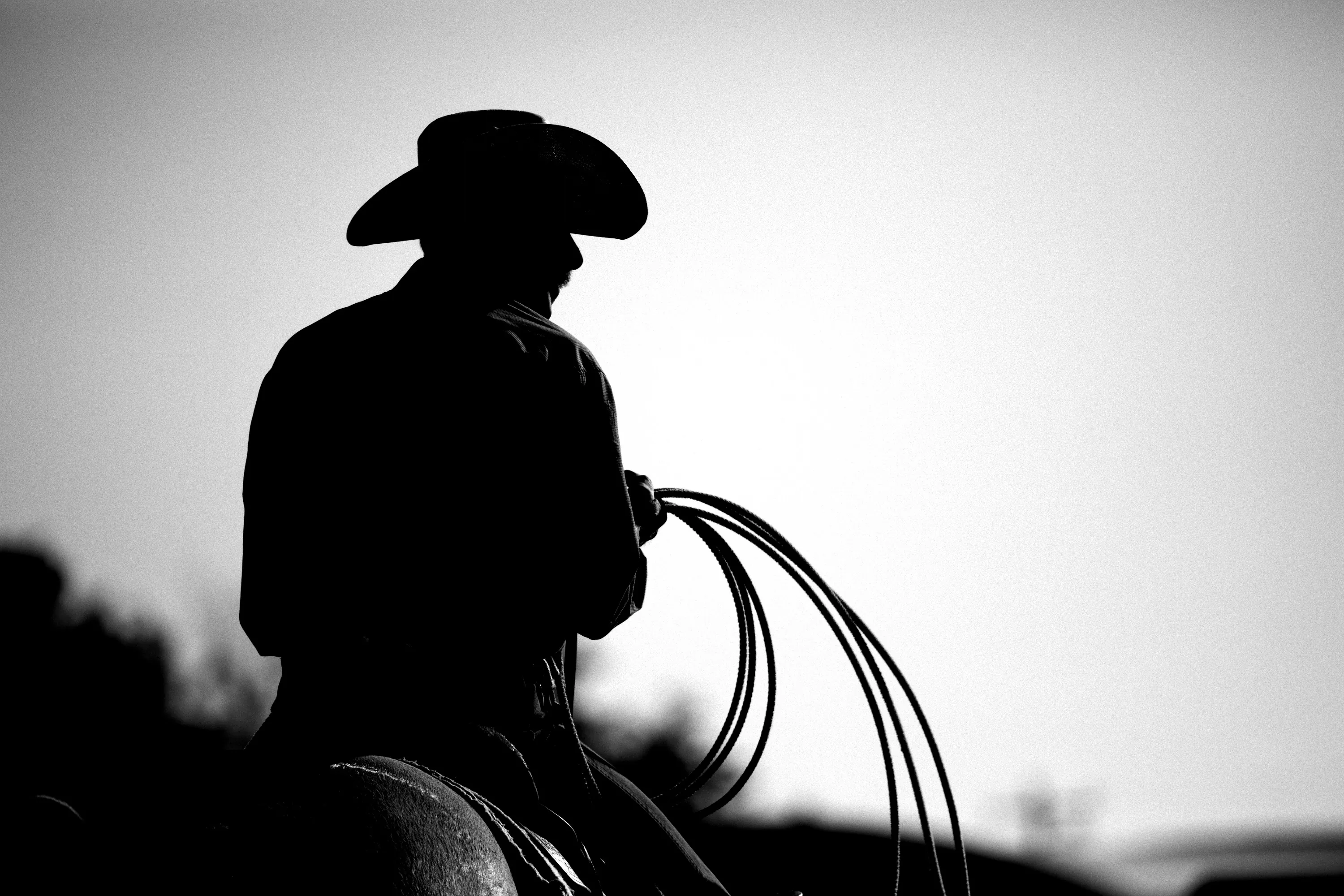
A calm place to start
Tell Bar W where your horse is, where they need to go, and what comes next.
A transportation call is most useful when it starts with the real situation, not just a route. Share the horse's age and general experience, the pickup location, the destination, and the timing you have in mind. If the horse has a history that may affect loading or travel, mention that too.
Those details help Bar W understand whether transportation support is the right fit and how the haul connects to the larger plan. If the horse is also coming for training, you can talk through that at the same time. If the owner is simply moving a horse from one place to the next, the conversation stays focused on making the trip as straightforward as possible.
Frequently asked questions
Make the next move clear.
What should I share when I call about horse transportation?
Start with the pickup location, destination, timing, your horse's experience hauling, and whether the trip connects to training or another plan. Those details give Bar W a clear place to begin the conversation.
Can transportation be part of a training plan?
Yes. If the horse is coming to Bar W for training or heading home afterward, mention that early so the transportation and training details can be discussed together.
What if my horse is nervous about hauling?
Share what you have seen in the trailer and any recent hauling experience. A straightforward description helps Bar W understand the horse and talk through the right next step.
Do I need to know every detail before I call?
No. It is helpful to have the pickup, destination, and timing in mind, but the first call is the place to talk through the details you are still working out.
How do I get started?
Call Bar W with the horse, the locations, the timing, and the reason for the trip. The conversation can then focus on whether the transportation support is the right fit.
Ready to talk?
Talk through your horse's next move.
Call Bar W with the horse, the locations, and the timing you are working toward.
Call 928.377.8293